

When winter arrives and chilly nights set in, many dog owners worry about keeping their pets warm outside. Ensuring that your four-legged friend stays safe and comfortable, no matter how cold it gets, is a priority.
You might be wondering, how can I insulate my dog house without spending a fortune or needing a tradesman’s skills?
Whether you own a classic wooden dog house, a modern dog kennel, or you’re planning to build a dog house for winter, I’ll walk you through everything you need to know.
I’ll share what’s worked for me, how proper insulation keeps your dog warm, and the best tricks for a well-insulated dog house that lasts year round.
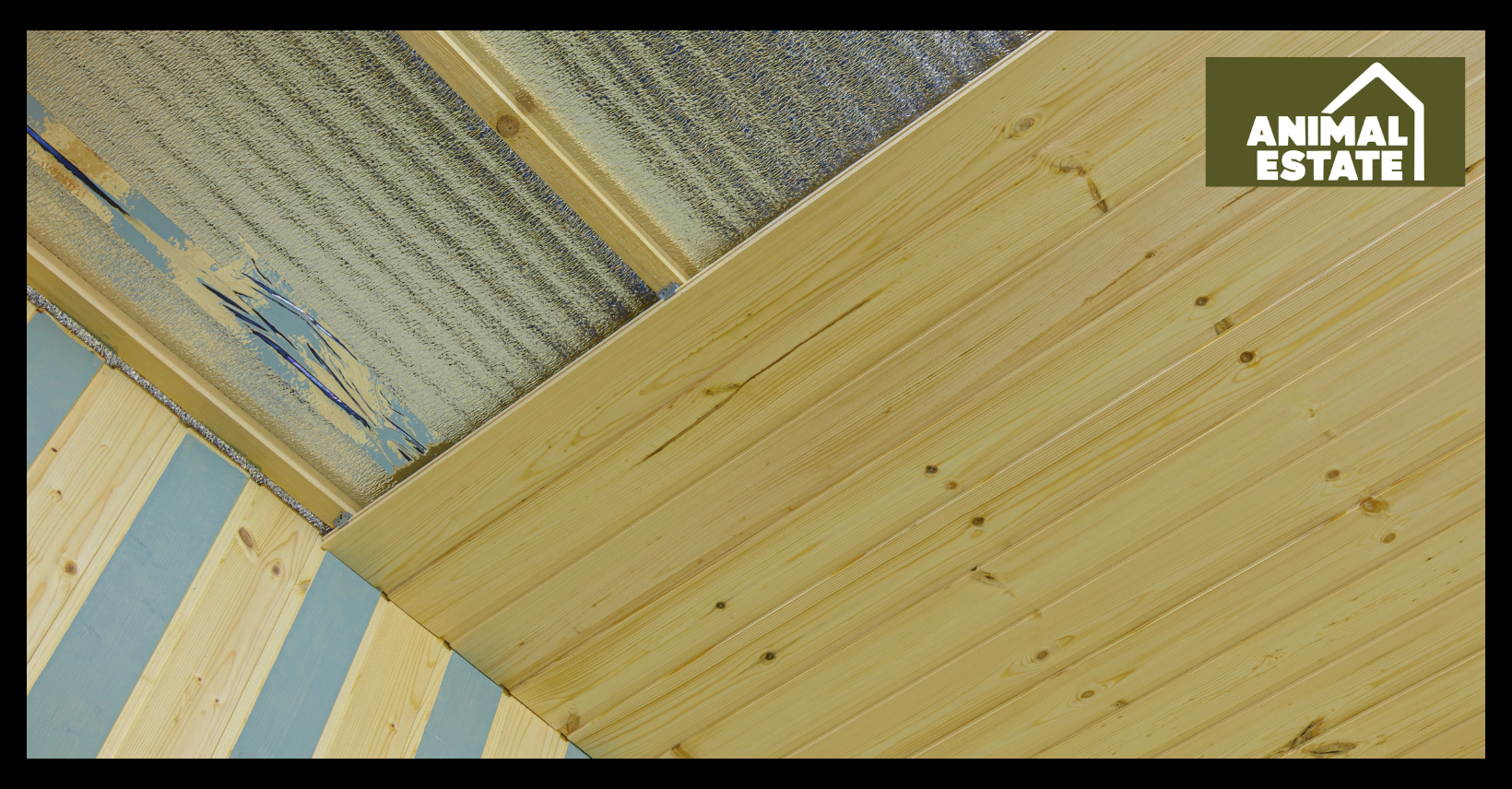
The fastest way to insulate a dog house is to add foam boards or insulation sheeting to the walls, floor, and roof, then cover the insulation with plywood or plastic for safety. Add straw, bedding, or blankets inside the kennel to keep your dog warm, and fit a flap door to stop cold air sneaking in. For an even warmer dog house for winter, try a dog house heater or heated mat.
Proper insulation keeps your dog safe, comfortable, and healthy in winter temperatures.
It’s heartbreaking to see a dog shiver. Dogs rely on their body heat to stay warm, but not every breed can handle the UK’s winter months.
A thin-coated or older dog needs more help to stay warm and comfortable.
An insulated dog house does more than just keep your dog warm. It helps your dog retain heat, protects against wind and rain, and even reduces mould or damp that could cause health issues.
Some dog breeds cope better with cold, but every pet deserves a warm and comfortable spot to rest.
Insulation helps regulate the temperature inside the kennel, making it safer for letting them sleep outside.
If you want to protect your dog and give them the best dog house for winter, insulation is the answer.
When planning to insulate a dog house, it becomes clear that not every material is safe or effective. It’s best to select materials that are non-toxic, waterproof, and easy to clean.
Here’s what I recommend:
Avoid loose fibreglass, as it can irritate your dog’s skin or lungs.
Let’s build a cosier spot for your dog. Here are my tips on how to insulate a dog house and turn it into a warm winter dog house:
I’d start by placing the doghouse on a pallet or bricks. A raised base prevents cold and moisture from seeping up, making it warm enough for your pet, even on the chilliest nights.
It’s important to cover the insulation so your dog stays safe.
Cold air loves to sneak in through the door. I recommend fitting a heavy-duty plastic flap, an old doormat, or even tarp over the entrance. This acts as a door to prevent heat loss and keeps the wind out.
Always put plenty of bedding inside: thick blankets, straw, or old towels. These insulate a dog and make the space feel inviting.
Just remember to change bedding often to stop mould and damp.
If you live somewhere with harsh winter temperatures, a dog house heater or a heated mat can make a big difference. These are safe, low-wattage heaters made for pets.
Never use household heaters or open flames inside the kennel.
Add a layer of waterproof sheeting or a tarp to the roof and walls.This keeps rain and snow away from your insulation.
Seal gaps with pet-safe caulk to make it difficult for draughts or water to get in.
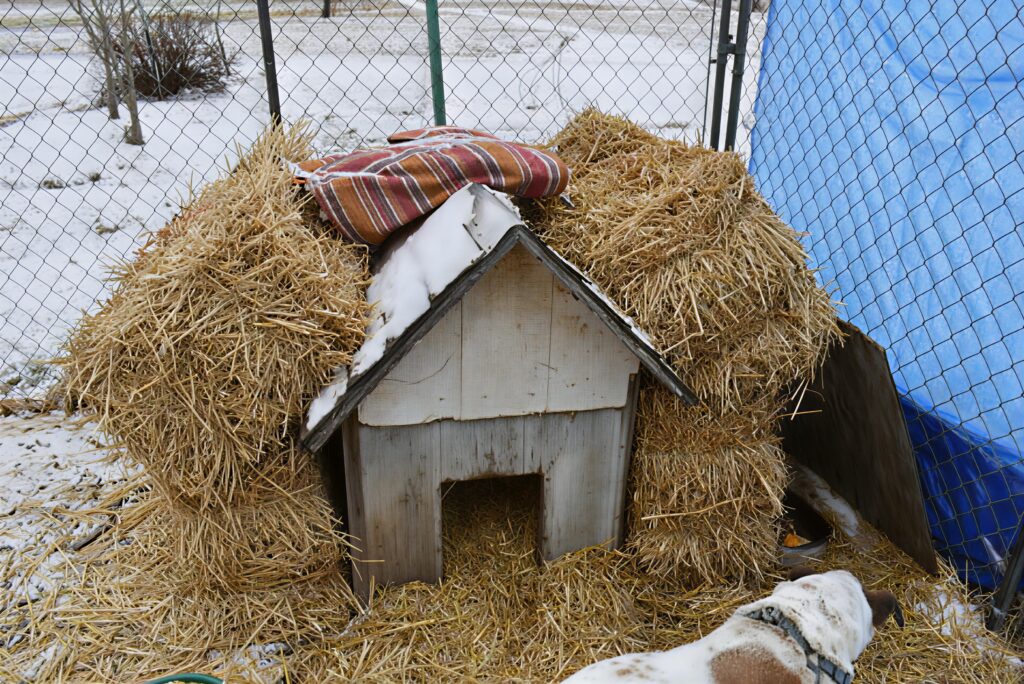
Seeing a dog curled up, warm and dry inside their shelter, is a clear sign the right choice has been made.
Insulating a dog house is the best way to keep dogs warm, healthy, and happy throughout the winter months and cool nights.
You’ll sleep better knowing your dog is warm enough, no matter the weather.
Not every dog or doghouse is the same. Here’s how you can choose the best insulation for your dog’s needs:
Insulating a dog house isn’t a one-time job. Here are my suggestions on how you can maintain your kennel to keep your dogs safe and happy:
A well-insulated dog house needs simple, regular care to work best.
Yes, you can buy a dog house for winter with built-in insulation. These save time and effort, but check reviews to make sure they’re warm enough for your dog breed.
Like insulation, use hard materials inside the kennel and cover any soft insulation with plywood or plastic. Replace bedding often and watch for signs of chewing.
Insulation helps regulate temperature inside, keeping it cool in summer as well as warm in winter. Open the door flap or add ventilation if it gets hot.
You may use both. Straw is great for warmth and doesn’t get as damp as blankets, but change it regularly. Blankets are soft but can get wet, so check for mould.
A well-insulated dog house keeps your dog warm, happy, and healthy all winter long.