

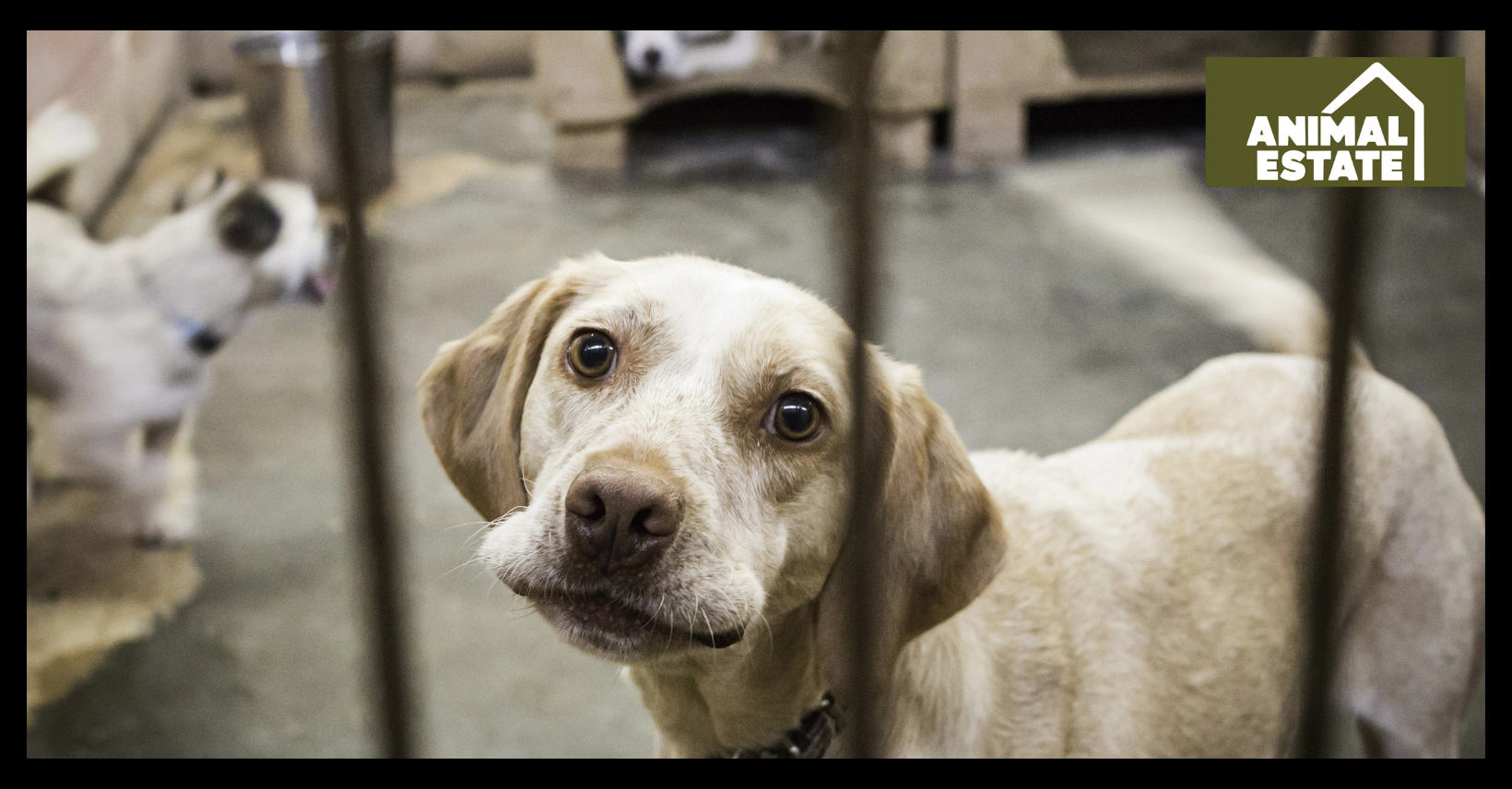
Dog boarding is booming in the UK. Pet owners want peace of mind when they travel, and they’re looking for reliable, loving places to leave their dogs.
If you’re eager to start a dog boarding business, whether you dream of a bustling kennel or home boarding, read on.
I’ll walk you through every step, from legal requirements to daily operations. You want confidence, clarity, and a real sense of what’s involved. Let’s get your journey on the right path.
If you want to run a dog boarding business from home, you’ll also need to comply with specific home boarding regulations.
Starting a dog boarding business can be a rewarding way to earn a living while caring for animals. The demand for dog care services is always strong in the UK.
People love their pets and want only the best for them. Home boarding, dog kennels, and dog day care services fill a vital need for pet owners.
When first looking into the industry, it became clear that many pet owners struggle to find trustworthy boarding services.
There is a real need for places where dogs feel safe, happy, and loved, just like at home. If you share this vision, you’re on the right path.
Before you welcome your first furry guest, you need to meet strict legal requirements. Running a dog boarding business, whether it’s home boarding or a commercial facility, means you must get a licence from your local authorities.
This isn’t a simple formality. The local council will inspect your property, check your paperwork, and make sure you meet animal welfare standards.
The licence application process can feel daunting. Here’s what you’ll need to obtain:
You can’t legally run a dog boarding business without a licence to operate. Each licence is valid for one to three years, depending on your compliance record. You must display your boarding licence clearly at your premises.
Home boarding means caring for dogs in your own home. It’s cosy, personal, and often preferred by pet owners with anxious or older dogs. You still need a licence, and your home must meet all the local authority’s requirements.
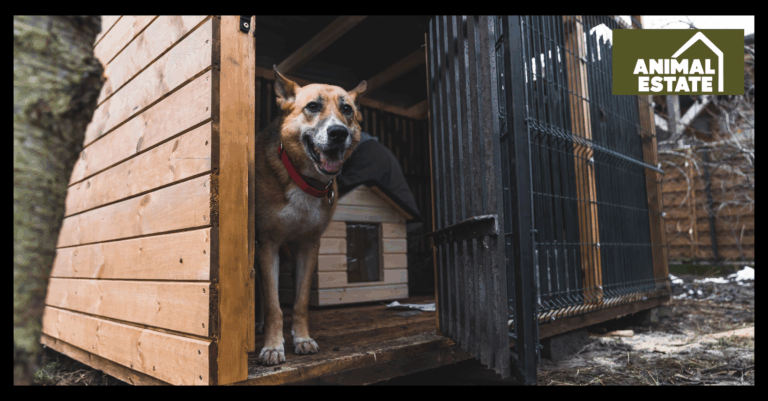
A commercial dog boarding business, on the other hand, usually operates larger kennels. These facilities are purpose-built, with dedicated runs, sleeping areas, and outdoor spaces.
Always check with your local government about zoning requirements before investing in any property.
You need enough space for every dog to move, rest, and play. The local authorities will want to see that you have separate areas for feeding, sleeping, and exercise.
Hygiene is crucial, soiled bedding, dirty food and water bowls, and poor ventilation are red flags.
When we sell kennels at Animal Estate, and we focus on animal welfare and comfort. Our dog kennels are built to last, with secure, easy-to-clean surfaces and thoughtful layouts.
Whether you’re planning a large dog boarding facility or home boarding, the same principles apply.
The business needs to be safe, welcoming, and practical for both dogs and staff.
No matter how careful you are, accidents can happen. That’s why liability insurance is non-negotiable. You’ll also want property insurance and, if you employ staff, employers’ liability cover.
Protect your business with the right cover. Ask insurers about policies tailored for pet care services, including dog boarding and day care.
A business plan isn’t just paperwork. It’s your roadmap. It shows you’ve thought about demand for dog boarding services, your ideal client, your pricing, and your marketing strategy.
A clear business plan sets you apart and helps you launch your business with confidence.
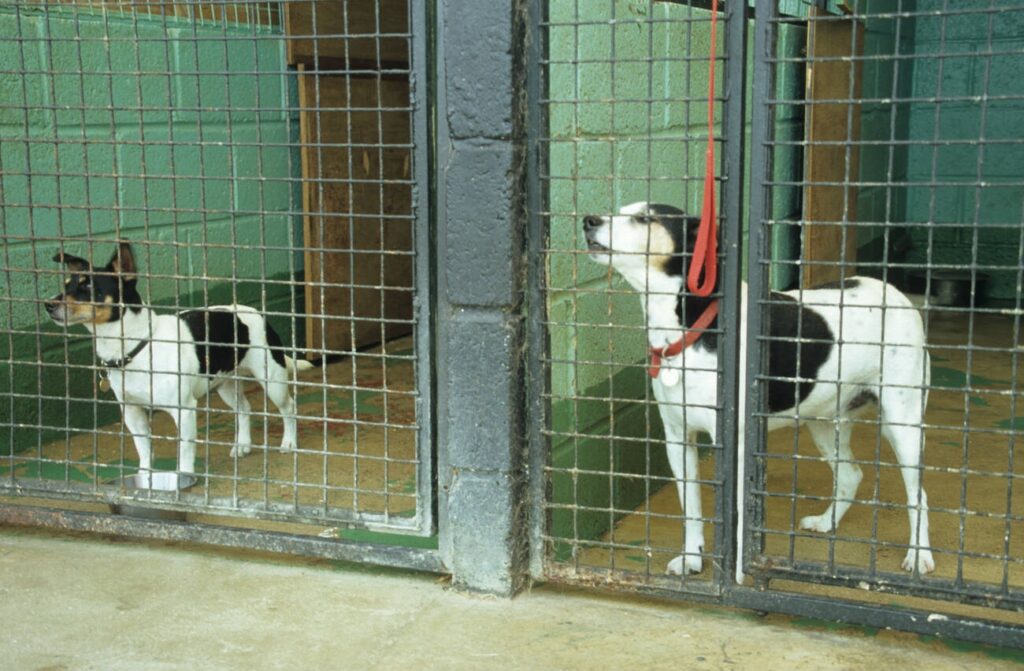
You’re responsible for the health and safety of every animal in your care. The local council will conduct unannounced inspections to ensure your business meets all animal welfare and health and safety standards.
Inspections to ensure standards are met are routine, be prepared at all times.
You can have the best facilities, but you need pet owners to know about you. A strong marketing strategy makes all the difference.
Let your passion and professionalism shine through in all your marketing.
You don’t need formal qualifications to start a dog boarding business, but experience matters.
Many local authorities look favourably on applicants with animal care or dog grooming certificates.
The more you know about animal behaviour, first aid, and dog care, the better.
I recommend courses in animal welfare and canine first aid. If you plan to groom dogs or offer pet sitting too, look into relevant qualifications.
Running a dog boarding business can be a rewarding but demanding career. You’ll work long hours, especially during holidays.
You need to be comfortable with noise, mess, and the unpredictability of caring for multiple dogs at once.
The days can fly by when surrounded by happy, wagging tails. Patience, flexibility, and a genuine love for dogs are important qualities for anyone considering this line of work.
As your business grows, you may want to expand your boarding facilities, offer extra services like dog walking or dog grooming, or hire more staff. Each step brings new challenges and opportunities.
Do I need a licence to start a dog boarding business from home?
Yes, you need a boarding licence from the local council for both home boarding and commercial kennels.
How many dogs can I board at once?
The local council will set the maximum number based on your space, staffing, and facilities.
Can I care for dogs at home if I have children or other pets?
Yes, but your licence may include extra conditions. You must ensure the safety and welfare of all animals and people on site.
What insurance do I need?
At a minimum, public liability insurance. Many businesses add property insurance and pet business insurance for extra protection.
If you’re ready to learn how to start a dog boarding business, take the first step today. Plan to start with passion and professionalism, and you’ll be on the right business journey.
If you want to know more about building or equipping dog boarding facilities, including dog kennels, visit us at Animal Estate. Let’s make your dream a reality together.